Linda M Evans - Portfolio
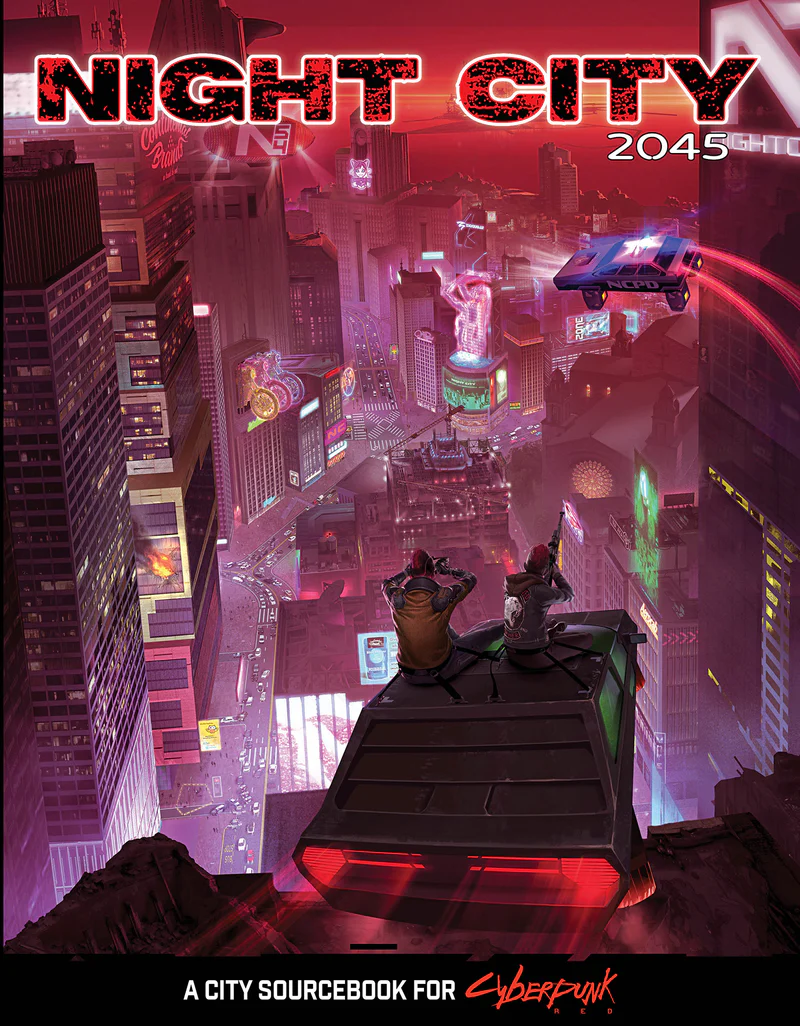
Night City 2045 - R Talsorian Games
My neighbourhood was Charter Hill, and I co-wrote the Upper Marina entry. Some mandatory locations bridged the 2020 setting and RED in 2045, and I researched what was still around in the time of the Cyberpunk 2077 video game. This was a highly collaborative project, with writers swapping ideas to give a sense of cohesion across the neighbourhoods, under the guidance of RTal's JGray, the Cyberpunk RED line editor.
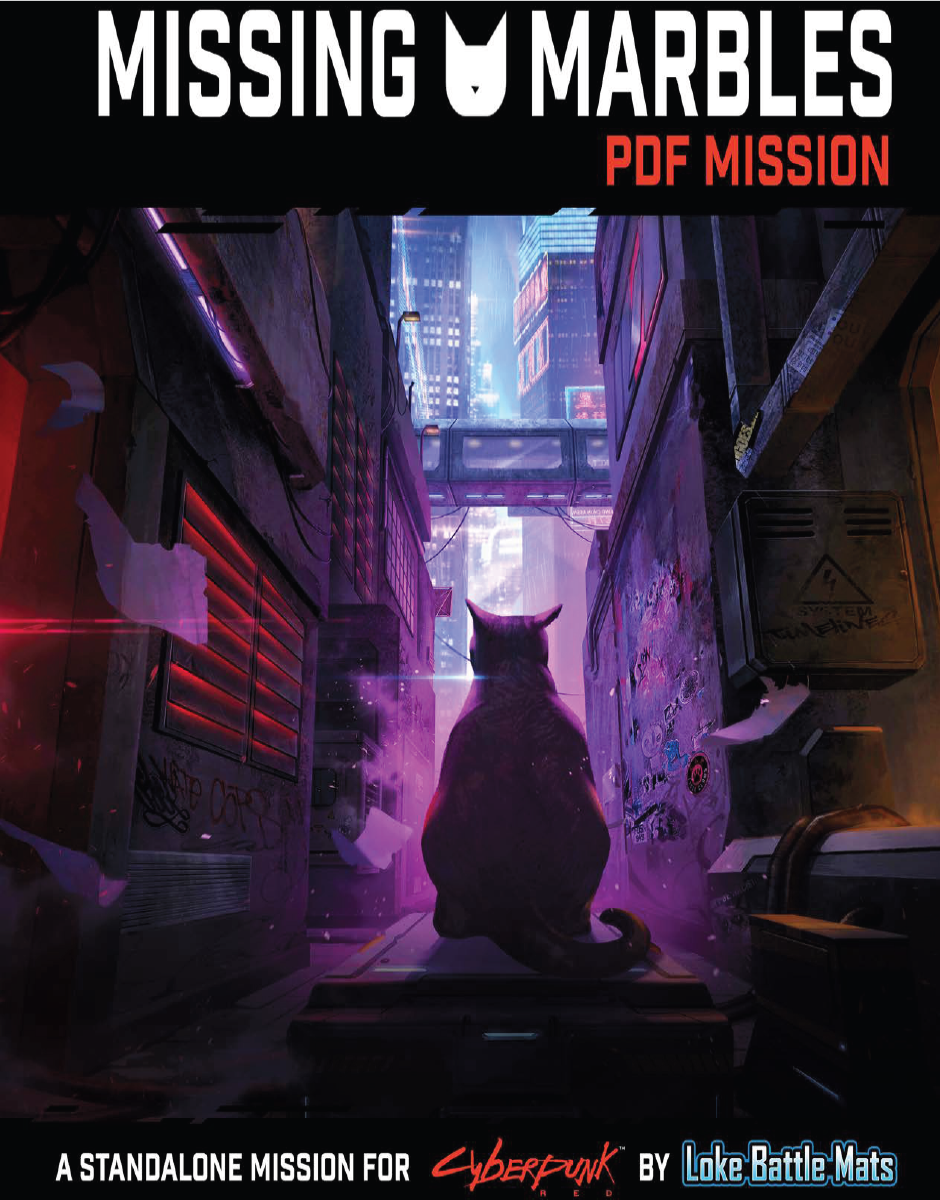
Missing Marbles - Loke Battle Mats
I've always maintained GMing is basically cat-herding, and RTal dropped their cyberpet DLC "Your New Best Friend" while I was brainstorming, so Marbles, the runt Obsidian Ocelot was born. I'm a lover of mysteries, heists, and ticking clocks, as they focus players' minds wonderfully. MM is a non-canon scenario, that had to balance the reaquirements of working with Loke's maps and RTal's intellectual property. I was able to make the few required alterations and both parties seemed satisfied with the final result.
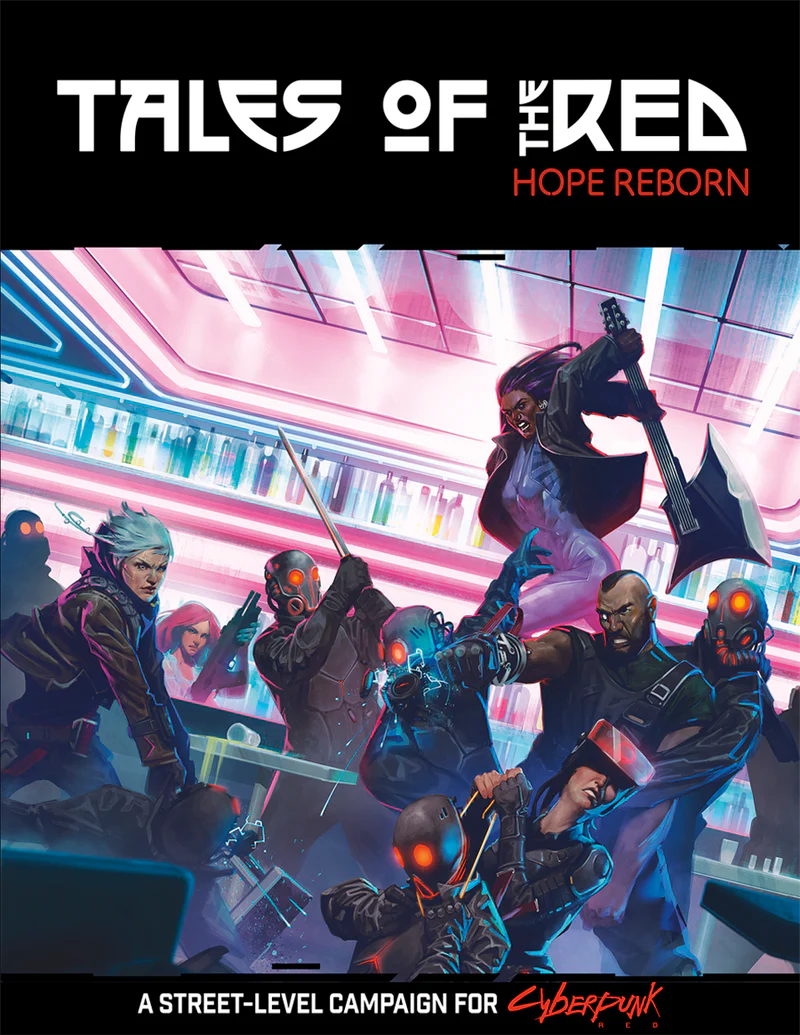
Hope Reborn - R Talsorian Games
The Forlorn Hope was a legendary Edgerunner bar in Cyberpunk 2020. This campaign takes it to a new home after the destruction of the original. In Welcome to the Neighborhood, I was asked to give Woodland Park life, with five mini scenarios in the same word count as everyone else's one. I loved the challenge, and populated the locale with interesting people to meet, get to know, and beat the tar out of. Also shops, a night club and killer palm trees, because I can find inspiration anywhere, including the weirder end of foreign news sites.
Did Someone Say Murder? & Chasing the Rabbit- R Talsorian Games
In Did Someone Say Murder? I collaborated with N Jolly to convert The Witcher's Investigation System to Cyberpunk RED. We determined our workload split, and included a "how to" build and run mysteries, alongside illustrative samples. Chasing the Rabbit brings roller derby to Night City. I detailed the history leading to the formation of the city's league, described the current top teams, their logos, methodologies and any rivalries, and wrote the opening short fiction. Like all the DLCs, these were locked to a tight deadline.
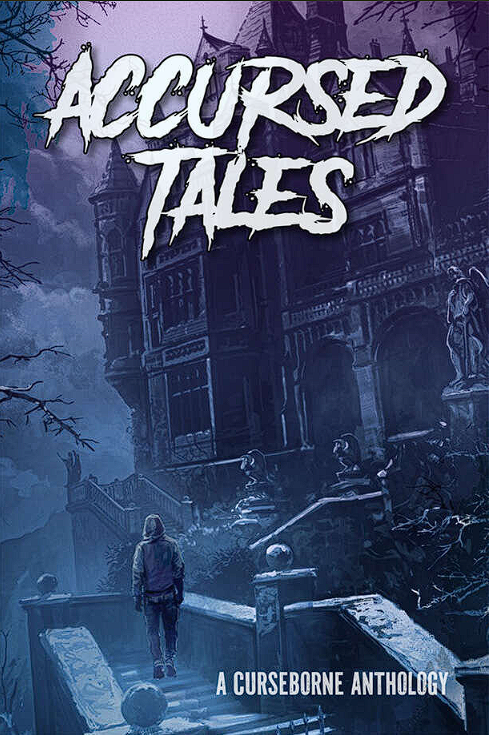
Accursed Tales: Onyx Path
Ahead of the release of the Curseborne RPG, the writers on this project pitched short stories to illustrate the different factions. I opted for The Dead, and set up a three-stranded story; the supernatural narrator in the present, the past, as told by an elderly woman she takes an interest in, and a future where a wealthy man is tormented by something he doesn't understand, tying them together at the climax. Curseborne is an urban fantasy game, so I really drove home the normality of the world before layering on the weirdness. I'm particularly happy with the non-supernatural evil of the maintenance man.
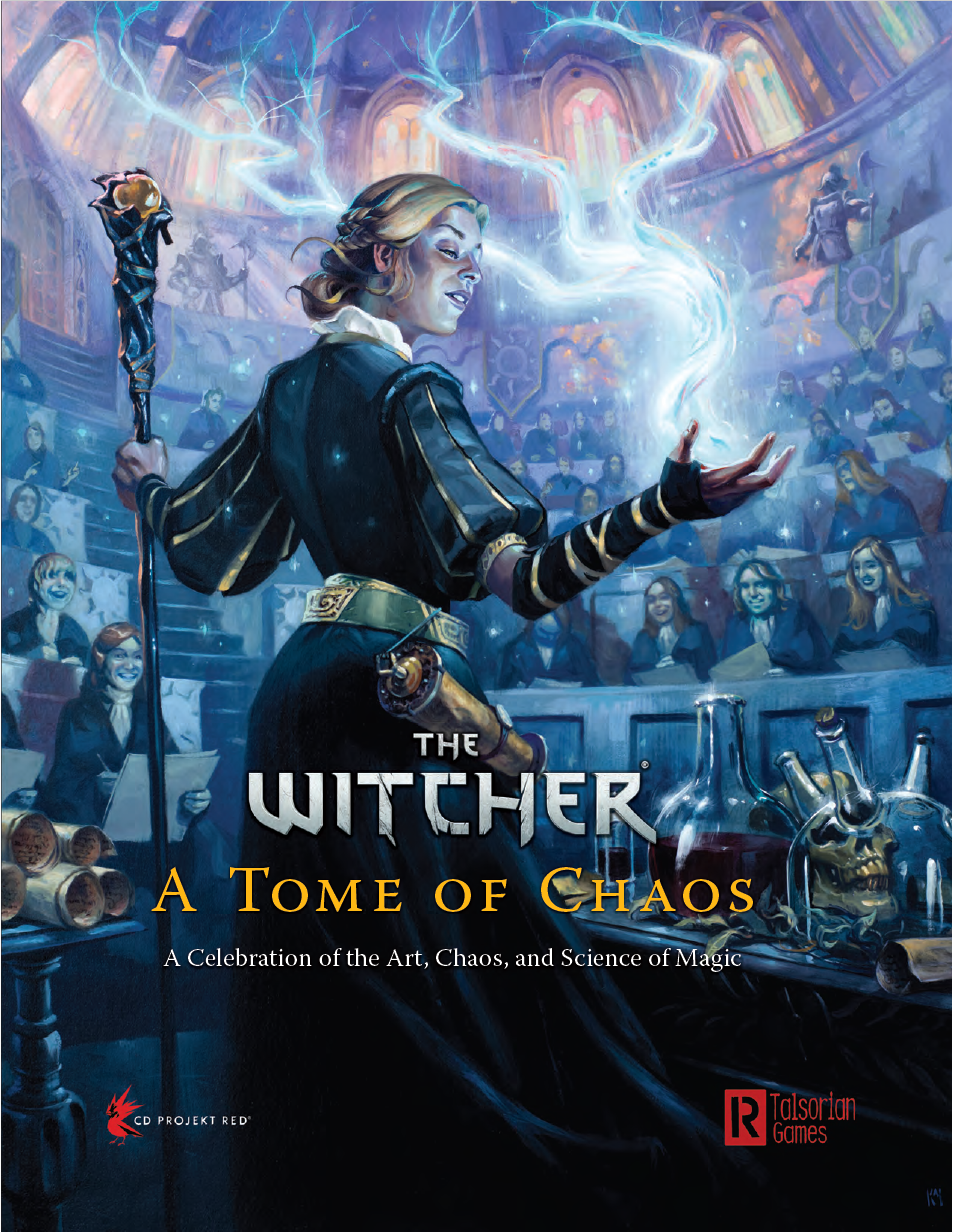
A Tome of Chaos - R Talsorian Games
I wrote the fictions opening each section, using Glynnis Var Treharn, a new POV character. The lore around Mages and Priests I extrapolated from the Witcher novels, and the video games from CD Project RED. The deities of the Continent combined book references with their real world historical and mythological analogues. Finally, I produced character bios for several of the Mages of Note, as described by Glynnis. Everything needed to be cleared through both RTal and CDPR, as licencees and holders of the IP.